
Pick how your child feels right now. Each mood pairs an everyday move built around a household prop with one technique from the dance studio, both demonstrated by a professional dancer.
Big feelings need somewhere to go.
MoodMove turns the principles of dance/movement therapy into a five-minute routine a child can follow at home. Pick a mood, follow a professional dancer, and let the camera coach each pose. When it ends, the parent gets a ten-second script to close the moment.
Three feelings, six moves
A shared routine is ready to follow
The guided session is in Korean for now. English voice guidance is next.
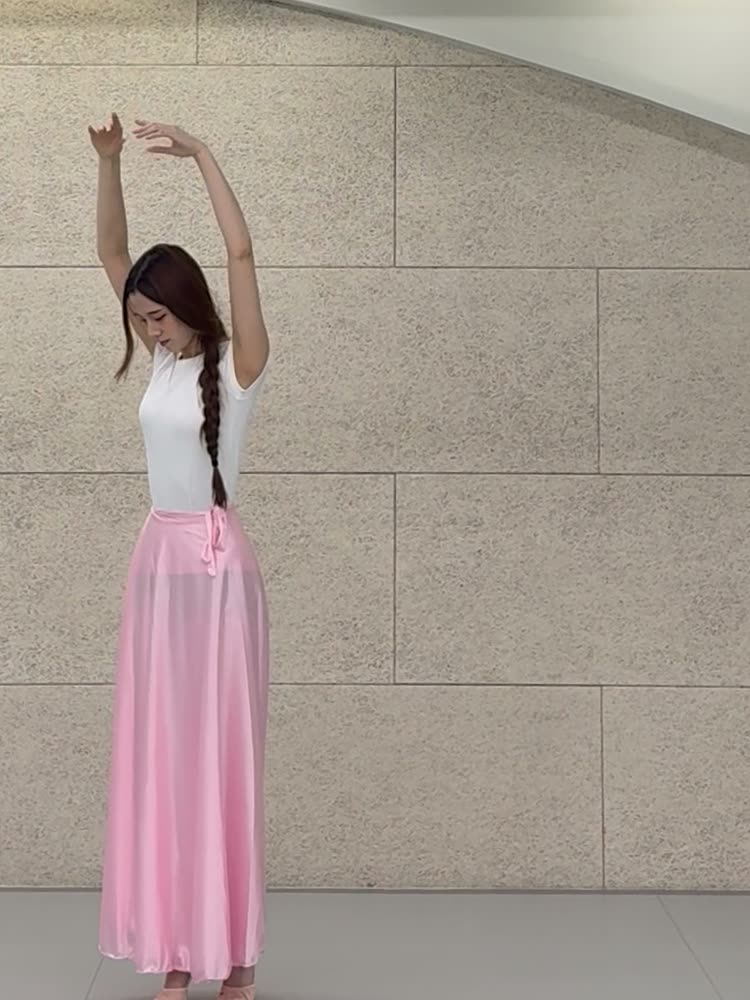
Watch, then follow
A professional dancer demonstrates each pose. Your child copies in front of the camera while the app checks the shape of the body and offers gentle cues like “arms a little higher.” Scoring is forgiving on purpose: effort counts, not precision.
Nothing to install. A phone propped upright or a laptop webcam is enough, and the video never leaves the device.
Choose a mood1. Pick a mood and grab a prop. A towel, a pair of rolled-up socks, a pillow. Familiar objects make the first move easy.
2. Watch, then move. Five minutes, six poses at most, with the camera checking each one.
3. Close the loop. The parent gets a ten-second script: a touch and one sentence. That is where the feeling settles.
The six moves
Every mood comes in two versions: a playful everyday move with a prop, and the dance technique it is drawn from. Both are short enough to repeat.
Why movement, and why now
Children feel before they can explain. …
The evidence runs bottom-up. …
Most families never get the room. …
“What matters is not how the movement looks, but how it feels.”Nam, H. K. (2017), The Korean Journal of Body-Psycho Studies
“Rhythmic movement helps regulate the autonomic nervous system and restore a sense of safety.”Van der Kolk (2014), as discussed in Nam (2017)
“The foundation of dance is rhythm; its core is emotional pleasure.”Westheimer (2008), Topics in Geriatric Rehabilitation
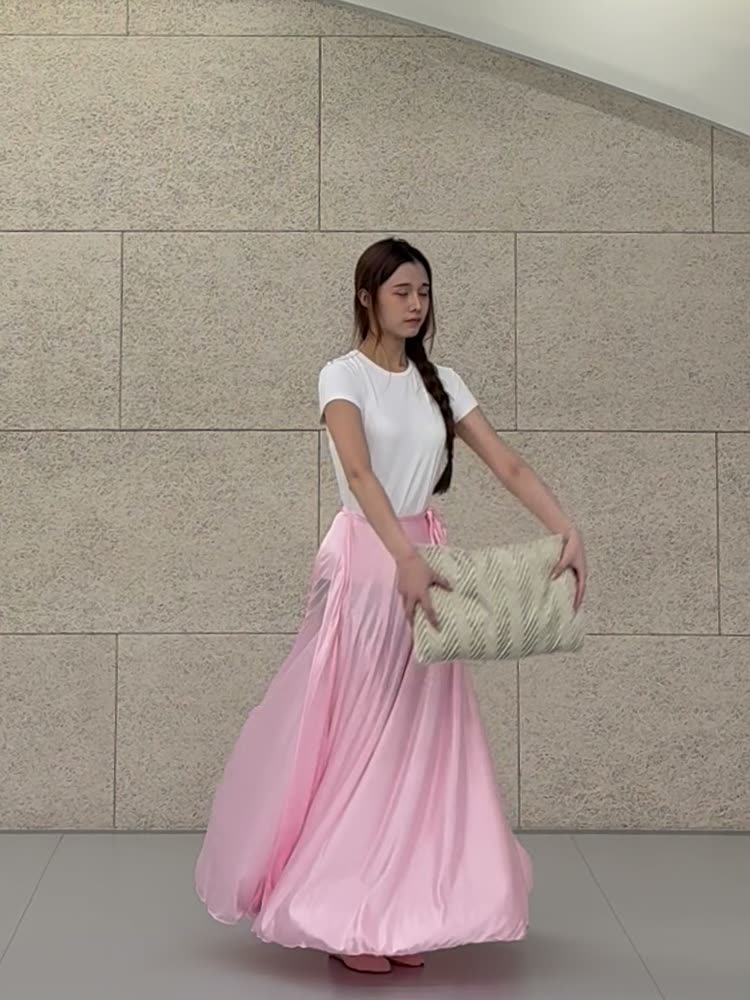
The ten-second prescription
Every routine closes with a short script for the adult in the room: a specific touch and one sentence. A towel rubbed gently across the back. A ten-second hug. A hand on the shoulder and “it’s okay to be angry.” It takes no training, and it is the part children remember.
What you will need- What you will need
-
- A small towel or blanket, for anxious days
- A pair of rolled-up socks, for low-energy days
- A pillow, for angry days
- About two metres of clear floor, and somewhere to prop the camera at hip height
- Camera and privacy
Use a phone held upright, or a laptop webcam; the frame adapts to whichever camera you have. Pose detection runs entirely inside the browser. No video is recorded, stored, or sent anywhere, and there is no account to create. Accounts with progress history are planned as an optional, opt-in feature.
What MoodMove is, and what it is not
…
…
…
…
For teachers and parents: build your own routine
Record a sequence of poses with the camera, or extract one from a video file, then share it as a link. The routine builder is in Korean.
My routines
준비물
보호자님께 · 10초 처방
녹화
목표 자세
자세 유지0 / 12
일치율0%
안무 저장
My records
관리자: 가입 승인
관리자 관리 (head admin)
추가된 사람이 그 Google 계정으로 로그인하면 바로 관리자 패널이 보입니다. 가입 승인은 자동으로 됩니다.
관리자: 전체 기록
| 날짜 | 사용자 | 아이 | 기분 | 동작 | 점수 | 자세별 |
|---|
순서
카메라가 확인하는 자세
0점
보호자님께 · 10초 처방